Introduction
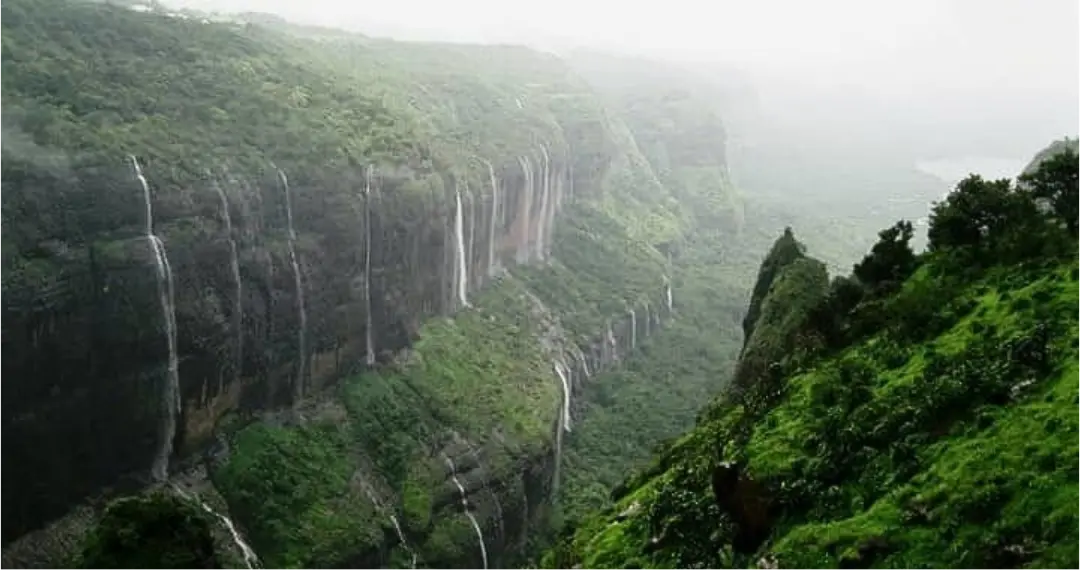
Nestled in the Sahyadri mountain range of the Western Ghats, the Andharban trek is a hidden gem that takes hikers through dense jungle, past cascading waterfalls, and up to panoramic ridge-top views.
The 12 km trail starts from the village of Patan and winds through the forests of the Tamhini ghat area. With its mist-covered hills and exotic wildlife, the Andharban trek offers a surreal escape into the heart of the Western Ghats.
Entering the Jungle
The first stage of the Andharban trek drops hikers down into a mossy green jungle. Lush ferns and vines drape the entire forest floor, immersing trekkers in the raw wilderness.
Massive banyan trees with sprawling aerial roots create an ethereal atmosphere, like something out of Avatar. The only sounds are chirping crickets and the rustling of leaves overhead. It’s easy to imagine dinosaurs or exotic creatures lurking within the dense tropical foliage.
Cloud-Covered Paths
As the trail continues deeper into the rainforest, the landscape shifts with the elevation. At higher altitudes, the subtropical jungles transition to mist-blanketed forests and grasslands.
The path follows ridge lines that pierce through the swirling fog, creating an eerie, heavenly effect. One moment hikers are consumed by clouds, the next, vivid green hills materialize through the mist.
It’s a magical setting that amplifies the otherworldly vibe. Even experienced trekkers are awestruck by the celestial scenes.
Cascading Waterfalls
A main highlight along the Andharban trek is the chance to take a break at several breathtaking waterfalls. The most famous is the Bhira Dam waterfall which plunges into an idyllic pool perfect for a cool swim.
Later, the Jummapatti waterfall appears like a mirage through the trees. Watching the cascades crash against the boulders in a cloud of mist makes time stand still.
The pure tranquility re-energizes hikers for the second half of the trek ahead.
Ridge-top Vistas
The final leg of the Andharban trek involves a relentless uphill climb completely enveloped in fog. Just as legs start to cramp, the mist suddenly gives way to reveal the top of the ridgeline and a jaw-dropping Himalayan panorama.
The famous peaks of Swargarohini, Bandarpunch, and Kalanag emerge in the distance, their snow-capped tips glistening under the sun. After hours in the dense jungle, this first glimpse of the open sky is both cathartic and humbling.
Homestretch Descent
Having soaked up the views from the top, trekkers begin the knee-jarring descent back into the forest. The scene changes yet again with rhododendron flowers adding a burst of color to the landscape.
The trail ultimately loops back to Patan village, completing the surreal 12 km journey. After being transported to another world within the clouds of Andharban, hikers are almost surprised to return to civilization.
Yet the images and memories of waterfalls, exotic creatures, and celestial mist stay etched in their minds forever.
Essential Trekking Gear
Due to the remote and rugged terrain, the Andharban trek requires careful preparation and packing. The changeable weather ranging from humid jungles to misty ridge-lines demands versatile trekking gear.
Essentials like comfortable shoes, layered clothing, rain protection, and ample food/water are critical. Good hiking shoes with proper ankle support and thick grippy soles are a top priority for navigating slippery ascents and descents.
Broken-in waterproof hiking boots provide the best traction across the mix of muddy trails, rocky streams, and forest floors. Proper woolen socks wick away moisture and prevent painful blisters. Trekking poles enhance stability given the lack of railings or markers across steep sections.
Layered clothing provides adaptability from humid forest floors to breezy hilltops. Lightweight synthetic or merino t-shirts manage sweat while avoiding cotton which dries slowly. Quick-dry hiking pants offer freedom of movement over trails.
Packable down or fleece jackets provide insulation during cool foggy stretches. Waterproof ponchos or rain jackets shield from torrential downpours. Warm woolen hats and gloves take the bite out of winds atop ridges.
Staying nourished and hydrated is also key to preventing energy crashes in the middle of remote trails. High-protein snacks like dried fruits, nuts, and granola bars provide energy boosts between meals.
Sandwiches and fruits make ideal lunch fare to refuel halfway through the trek. Reusable water bottles easily refill at the many freshwater streams. Water purification tablets remove contaminants from natural water sources. Carrying twice the food/water needed provides an ample safety buffer.
Protecting electronics like phones/cameras from rain and falls is essential in the wilderness. Ziplock bags or waterproof pouches keep devices dry and damage-free.
Spare batteries ensure cameras last through countless picturesque stops. Portable chargers allow recharging during overnight stays.
While the jungle offers an off-the-grid escape, hikers still like capturing photos of unforgettable scenery.
Wildlife Encounters
The biodiverse forests of Andharban provide a rich habitat for exotic animals and birds rarely seen near bustling cities.
Giant squirrels the size of cats scamper high up in the canopy. The rare pancake-faced Malabar whistling thrush with its black feathers and neon blue beak flits between branches.
Sambar deer, barking deer, and wild boar forage trails at dawn and dusk. Andharban is also home to leopards, though spotting the elusive big cats requires tremendous fortune.
Birdwatchers rejoice at sightings of paradise flycatchers, emerald doves, crested serpent eagles, and the aptly named Malabar grey hornbill. Patches of wildflowers like blazing red fire lilies attract India’s iconic peacocks showing off their regal plumes.
Buzzing dragonflies, Dispirit butterflies, and iridescent beetles also color the landscape. Local naturalists help identify unique species across changing elevations.
With luck, hikers may witness exotic birds swooping through the jungle or glimpse the rear end of a sloth bear lumbering upslope.
Staying overnight
Rather than cramming the trek into a single day, many hikers opt to spend a night halfway through. T his allows more time to soak up waterfall pools, photograph rolling clouds, and watch colorful birds.
The village of Lonavala near the end of the first leg offers basic guest houses or “homestays” with local families. These provide home-cooked meals along with sorely needed hot showers after a long jungle hike.
Sitting around a campfire swapping stories with fellow trekkers creates a special bond. The next morning, hikers can refuel on breakfast before resuming the Andharban trek refreshed.
Learning about village life also adds cultural immersion to the nature experience. Locals share legends about jungle creatures like tigers protecting temples or mischievous leprechauns hiding gold in waterfalls.
These rustic overnight stays create wonderful memories to complement the hiking highlights.
Alternate Access Points
While Patan village is the most common starting point, Andharban can be approached from other towns like Thakurwadi, Raigad Fort, or Pimpari. These routes all traverse the Tamhini Ghat area but offer different entry perspectives.
Approaching from the south provides views over the Konkan coastlands before ascending into the jungle. The Raigad Fort trail adds ruins from the Maratha Empire’s reign before the scenic waterfall stretches.
Visiting during different seasons also substantially alters the vibe and challenges of Andharban. The monsoon months from July-September see the waterfalls and jungle at their lushest but bring slippery trails. Post-monsoon October provides ideal weather combined with roaring falls. Summer is great for clear skies but can be hot on exposed ridgetops. The winter dry season offers pleasant daytime hiking but reduced cascades.
Whenever they visit, hikers are rewarded with a magical escape into the emerald-green Sahyadri hills.
Andharban Trekking History
While newly popular with tourists, Andharban has been revered by locals for centuries. Villagers collected firewood, gathered honey, and hunted small game across these jungle trails long before trekking infrastructure existed.
British colonists realized the military strategic importance of the high Tamhini Ghat ridges during the 18th and 19th centuries. Access roads allowing colonial troops and supplies passage helped establish the Andharban routes still used today by hikers.
It was only in the 1970s that government committees officially surveyed and documented the Andharban trekking zone. They recognized its tremendous tourism potential for nature lovers escaping fast-paced city life.
Private European tour companies like Adventure Pulse helped spread word overseas about Andharban’s stunning waterfalls and ridgeline vistas.
Improved access from Mumbai and Pune enabled the trek’s rise over the past decade as a must-do Western Ghats adventure. While now welcoming scores of excited trekkers, Andharban’s wild jungle spirit thankfully remains untouched.
Conclusion
Andharban serves up a true fairy-tale trekking experience, perfect for escaping the crush of India’s cities. The mystical setting, with clouds drifting through the primitive jungle and waterfalls slipping into hidden pools, inspires awe at the natural splendor of the Sahyadri ranges.
While just a day trip from Pune or Mumbai, Andharban plunges hikers into a remote green universe filled with magic and wonder. Those seeking a peaceful retreat into the heart of the Western Ghats need look no further than this surreal tropical trek.
For those seeking more remote treks in the Western Ghats, Andharban makes an ideal first step. Its proximity to major cities and reliable facilities ease first-timers into the tropical hiking experience. The trail allows adventurers to test their legs on ascents and carefully descend steep sections before considering overnight camping trips deeper in the mountains.
Andharban whets the appetite for those aspiring to conquer bigger multi-day challenges like the Kalsubai Harishchandragad Trek. Yet Andharban also rewards frequent hikers with lush jungles and cascades unmatched even on more advanced trails. Seasoned trekkers continue returning to Andharban over the years to experience familiar waterfall pools and ridge-top scenes in new monsoon cloaks.
The easy access and manageable length also suits families with younger children able to complete shorter portions of the overall loop. Regardless of skill level, Andharban offers the ideal Western Ghats getaway. From jungle-draped waterfalls to cloud-capped vistas, Andharban’s relatively easy yet supremely rewarding trek provides the perfect recipe of exotic scenery, heart-pumping physical exertion, and spiritual rejuvenation.
Those seeking to reset from urban life owe it to themselves to embark on this reinvigorating journey through the magical Western Ghats wilderness.
The views expressed herein are solely those of the author and do not necessarily reflect those of Travel Tales Club.
